Pearl Phelan and Anna Hickey-Moody, Maynooth University, Ireland
Jenny Säilävaara, University of Jyväskylä
Saturday 5.9.2026 15-18
Turusen saha, Pikisaarentie 10
This workshop will be facilitated in English and Finnish
This workshop will draw from folk representations of women in Ireland to bring insights to contemporary Northern European experiences of motherhood, through considering excerpts from recent Irish writing on motherhood. Participants who have experiences of complex motherhood, pregnancy, pregnancy loss, infertility and infant loss will be made welcome to share their embodied knowledges of mothering in the broadest sense, including legitimate and illegitimate discourses of motherhood from folk practices to future goals.
Anna Hickey Moody will give a talk on motherhood and value in Irish folk traditions. Participants will be encouraged to situate themselves in the discourse around motherhood and the different forms that motherhood can take.
Pearl Phelan’s research on Irish women’s writing on new motherhood examines the duality and expansion of self that is intrinsic to the in-flux state of ‘matrescence,’ or the process of becoming a mother. The texts she analyses seek new ways to write about motherhood, describing the vulnerability of the path from girlhood to motherhood.
Jenny Sailavaara will share insights from her research into breastfeeding practices in Ireland and Finland, as well as her work on The Parental Night Shift: Gendered Inequalities in Night-time Care, and her co-authored work on low-income mothers in Finland where written accounts of the feelings of lone mothers are analysed.
The time has come to draw on the oldest stories to remix narratives of matrescence.
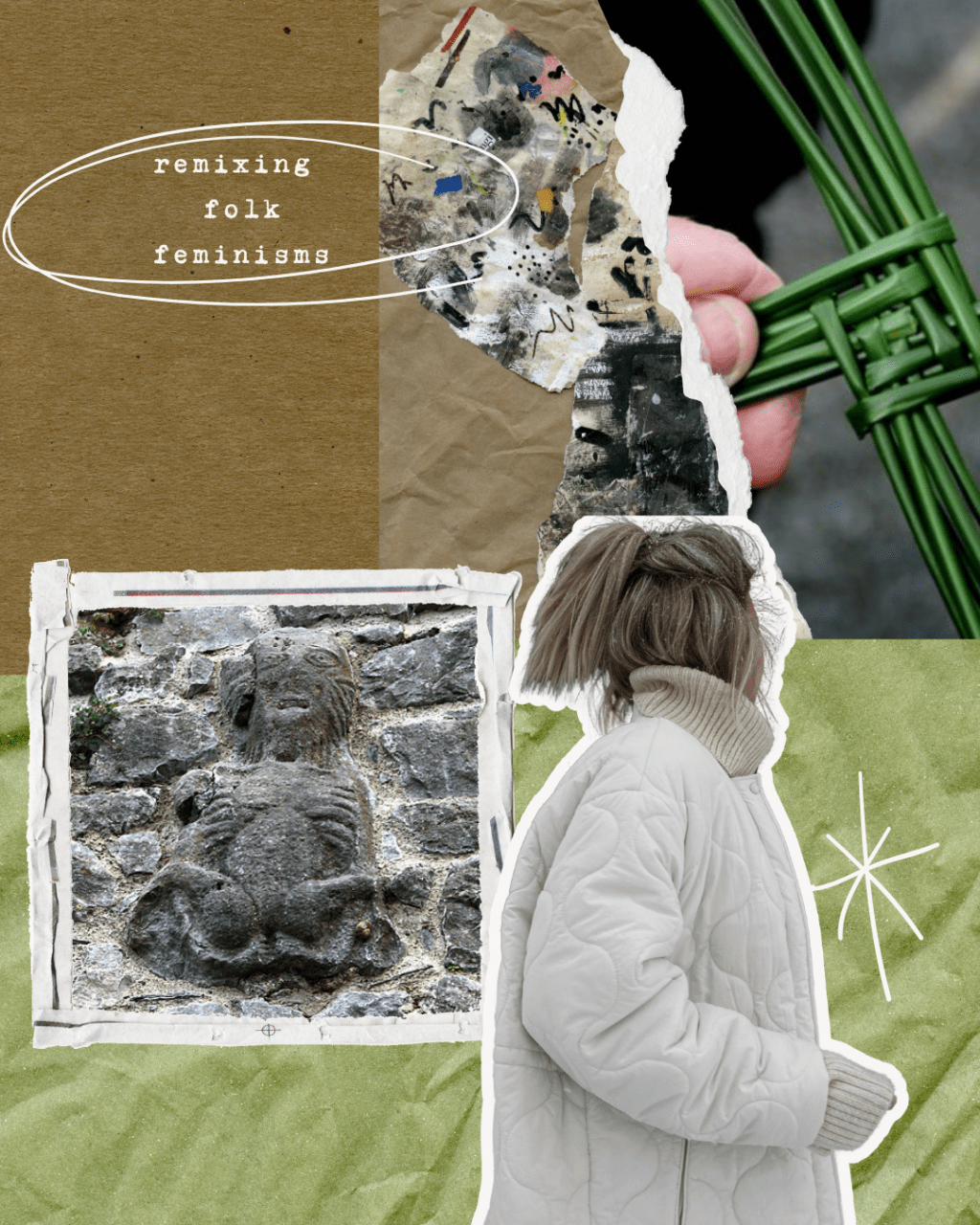
We seek figures who could offer alternative icons of motherhood to that of the Holy Virgin Mother Mary who is housed in roadside grottos in Ireland to this day. Could Sheela-na-Gig be remixed as a feminist heroine of the mothering body?
Remixing motherhood – Äitiyksien äärellä
Pearl Phelan ja Anna Hickey-Moody, Maynooth University, Irlanti
Jenny Säilävaara, Jyväskylän yliopisto
Lauantai 5.9.2026 klo 15–18
Turusen saha, Pikisaarentie 10
Työpajan kieli: englanti ja suomi
Tämä työpaja ammentaa irlantilaisista kansanperinteen naiskuvauksista ja tuo niiden kautta näkökulmia nykyisiin pohjoiseurooppalaisiin äitiyden kokemuksiin. Pajassa tarkastellaan otteita tuoreesta irlantilaisesta äitiyttä käsittelevästä kirjallisuudesta. Työpajaan ovat tervetulleita osallistujat, joilla on kokemuksia monimuotoisesta äitiydestä, raskaudesta, raskauden menetyksestä, lapsettomuudesta tai imeväiskuolemasta. Osallistujia kannustetaan jakamaan kehollista tietämystään hoivaamisesta ja äitiydestä laajassa merkityksessä, mukaan lukien sekä normatiiviset että marginalisoidut äitiyden diskurssit kansanomaisista käytännöistä tulevaisuuden toiveisiin.
Anna Hickey-Moody pitää esityksen äitiydestä ja arvosta irlantilaisissa kansanperinteissä. Osallistujia rohkaistaan paikantamaan oma suhteensa äitiyttä koskeviin diskursseihin ja pohtimaan äitiyden moninaisia muotoja.
Pearl Phelanin tutkimus irlantilaisesta nykykirjallisuudesta uuden äitiyden äärellä tarkastelee minuuden kaksijakoisuutta ja laajenemista, jotka ovat keskeisiä jatkuvassa muutoksessa olevalle matresenssin (äitiyden syntymisen prosessin) tilalle. Hänen analysoimansa tekstit etsivät uusia tapoja kirjoittaa äitiydestä ja kuvaavat haavoittuvuutta matkalla tyttöydestä äitiyteen.
Jenny Säilävaara alustaa suomalaisia ja irlantilaisia imetyskäytäntöjä käsittelevän tutkimuksensa sekä Vanhemmuuden yövuoro: Yöllisen hoivan jakaminen pikkulapsiperheissä -hankkeen tulosten pohjalta. Lisäksi hän esittelee tutkimustaan pienituloisista äideistä Suomessa, jossa analysoidaan yksinhuoltajaäitien tunteista kirjoitettuja kuvauksia.
On aika palata vanhimpiin tarinoihin ja muokata uudelleen kertomuksia äitiyksistä.
Etsimme hahmoja, jotka voisivat tarjota vaihtoehtoisia äitiyden kertomuksia esimerkiksi Irlannissa tienvarsialttareilla yhä kunnioitetulle Neitsyt Marialle. Voisiko Sheela-na-Gig hahmottua uudelleen hoivaavan ruumiin feministisenä sankarittarena?
 Remixing Folk Feminisms